When the Family Disagrees About Food – How to Come Together Around the Dinner Table

When the Family Disagrees About Food – How to Come Together Around the Dinner Table
For many American families, dinner is the one time of day when everyone gathers in the same place. It’s a chance to share food, stories, and a sense of connection. But it can also be a source of tension when tastes, habits, and values collide. One child refuses vegetables, another wants to go vegan, and someone else insists on meat at every meal. Meanwhile, parents just want a peaceful dinner without arguments. Here’s how your family can find common ground around food – and bring the joy back to the dinner table.
When Food Becomes a Symbol
Disagreements about food are rarely just about what’s on the plate. They often reflect something deeper: a need for control, a desire to be heard, or a way to express independence. For kids, refusing certain foods can be a way to assert themselves. For adults, criticism of their cooking can feel personal.
The first step is to look beyond the surface. Ask yourselves: is this really about taste, habit, or something emotional? When you understand what’s behind the conflict, it becomes easier to find solutions that work for everyone.
Create Shared Guidelines – Not Strict Rules
Instead of setting rigid rules about what everyone must eat, try creating shared guidelines that give everyone a voice. For example:
- Give each family member a “menu night.” Once a week, one person chooses the meal for everyone.
- Hold a short “meal meeting” on Sundays. Talk about the week’s dinners, preferences, and any new recipes to try.
- Use a compromise principle. Everyone gets something they like, but also agrees to try something new now and then.
When everyone has input, meals become a shared project rather than a battleground.
Læs også:

Get Kids Involved in the Kitchen
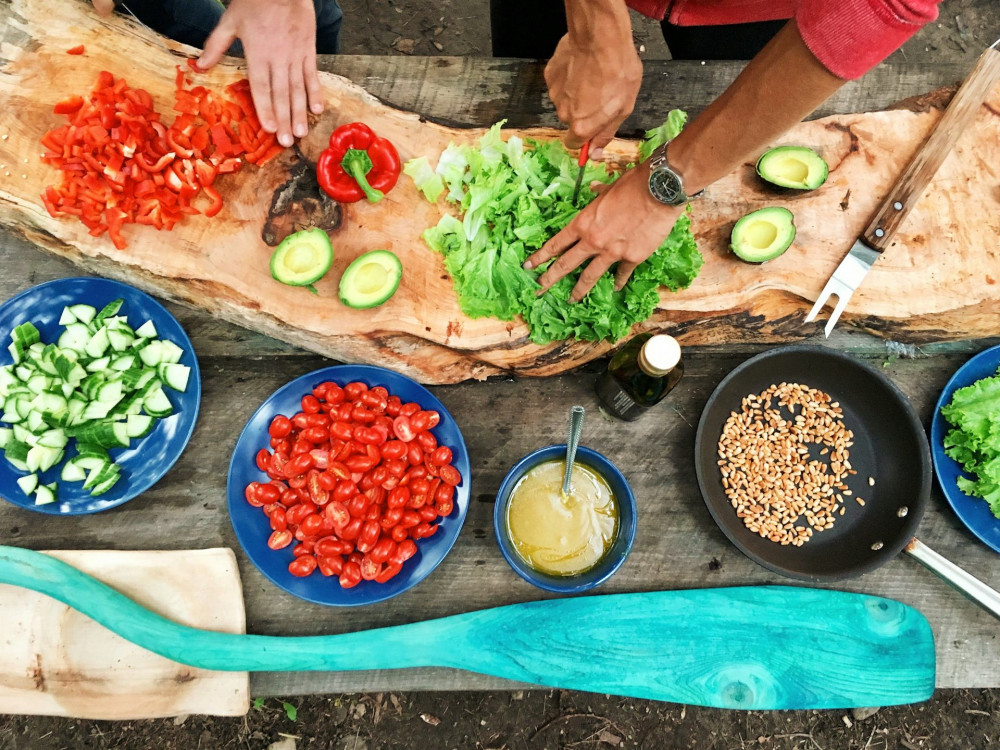
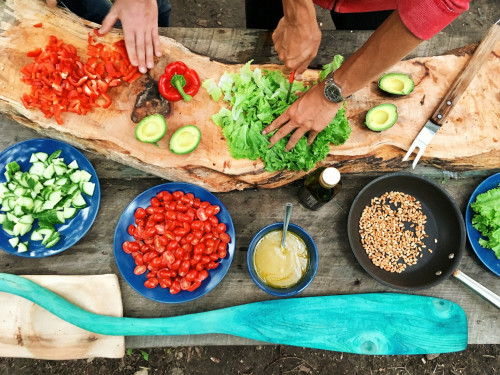
Children who help prepare food are often more willing to eat it. It’s not just about stirring a pot – it’s about giving them ownership. Let them pick out vegetables at the grocery store, taste spices, or help set the table. Even young kids can participate, and it makes a difference when they feel proud of what they helped create.
For older kids and teens, consider letting them take charge of an entire dish. It builds responsibility and appreciation for the effort that goes into a meal.
Talk About Values – Not Just Taste
In many families, food choices are tied to values: health, the environment, animal welfare, or budget. These topics can spark strong opinions, especially when one person wants to eat plant-based while others don’t want to give up burgers.
The key is open, respectful conversation. Ask why certain choices matter to each person, and look for middle ground. Maybe that means having a few meatless days each week, buying higher-quality meat less often, or making flexible meals where everyone can customize their plate.
When the focus is on understanding rather than judgment, it’s easier to meet in the middle.
Make Mealtime a Safe Space
The dinner table should be a place to relax and connect – not a place for pressure or criticism. Try to avoid comments like “just eat it” or “you never like anything.” Those remarks can turn mealtime into a power struggle.
Instead, focus on conversation and atmosphere. Ask about everyone’s day, share something funny, or talk about weekend plans. When the meal is about being together rather than eating perfectly, everyone enjoys it more.
Celebrate Differences
No two families eat the same way, and that’s perfectly fine. Some love traditional comfort food, others enjoy experimenting with global flavors. The goal isn’t to make everyone agree, but to find a rhythm that works for your household.
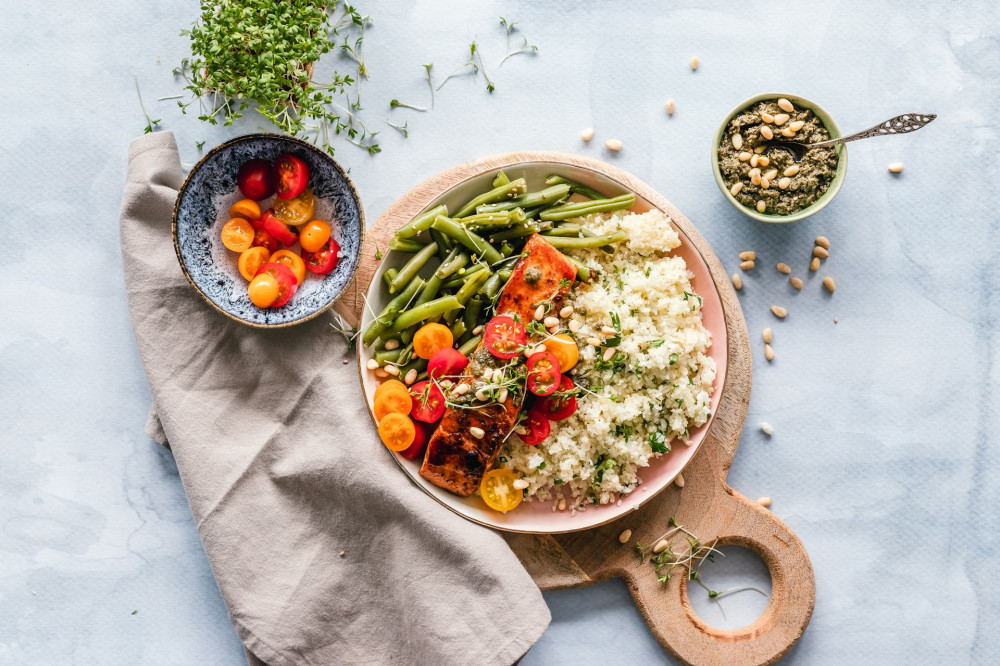
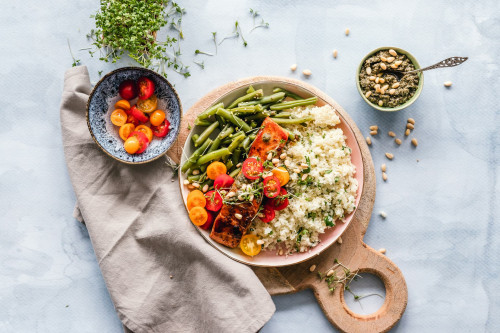
That might mean serving “build-your-own” meals like tacos, grain bowls, or salads, where everyone can choose their own ingredients. Or it might mean occasionally cooking two simple dishes instead of one big compromise.
Finding harmony around food isn’t about uniformity – it’s about flexibility and respect.
A Shared Table – More Than Just a Meal
When your family learns to approach food with patience and understanding, the dinner table becomes what it’s meant to be: a place for connection, conversation, and care. It takes time and compromise, but the reward is worth it. Because when food stops being a source of conflict, it becomes what it should be – a way to nourish not just the body, but the bond you share as a family.
Læs også: