Eat in Color: Vegetables That Bring Both Flavor and Nutritional Balance

Eat in Color: Vegetables That Bring Both Flavor and Nutritional Balance
Eating a colorful variety of vegetables isn’t just pleasing to the eye—it’s one of the simplest ways to give your body the nutrients it needs. Each color in the vegetable world represents different vitamins, minerals, and antioxidants that work together to support health, energy, and overall well-being. Here’s how you can use color as your guide to a balanced and flavorful diet.
Why Color Matters
The vibrant hues of vegetables come from natural plant compounds that offer unique health benefits. By eating vegetables in a range of colors, you’re giving your body a broader spectrum of these protective nutrients.
- Green vegetables like spinach, broccoli, and kale are packed with iron, calcium, and vitamin K, which help strengthen bones and support healthy blood.
- Red vegetables such as tomatoes, red peppers, and beets contain lycopene and betacyanin, antioxidants that protect cells from damage.
- Yellow and orange vegetables like carrots, sweet potatoes, and butternut squash are rich in beta-carotene, which converts to vitamin A and supports vision and immune function.
- Purple and blue vegetables such as eggplant, purple cabbage, and purple potatoes contain anthocyanins, which promote heart and brain health.
- White vegetables like cauliflower, garlic, and onions provide sulfur compounds that support the body’s natural detoxification processes.
The more colors you include, the more complete your nutrient intake will be.
Bringing Color to Everyday Meals
Eating in color doesn’t have to be complicated. Small, simple changes can make a big difference.
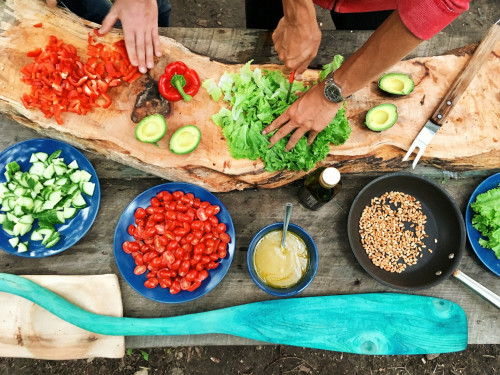
- Build a rainbow salad with red cabbage, shredded carrots, corn, spinach, and cherry tomatoes—it’s as beautiful as it is satisfying.
- Swap your sides—try roasted root vegetables instead of rice, or make a creamy cauliflower mash in place of potatoes.
- Add veggies to breakfast—toss spinach into your omelet or mix grated zucchini into pancake batter.
- Keep frozen vegetables on hand—they retain nutrients and make it easy to add variety to any meal.
- Experiment with new varieties—look for purple carrots, golden beets, or Romanesco to expand your flavor and color palette.
When vegetables become a natural part of every meal, eating healthy feels effortless.
Læs også:


Flavor and Texture: The Secret to Enjoying Vegetables
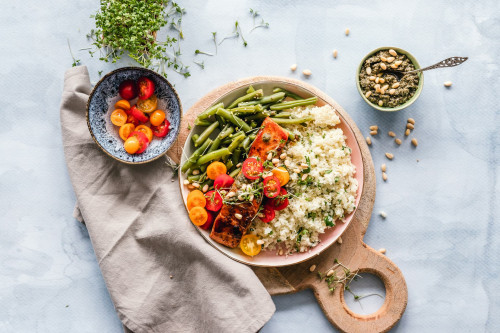
Many people think of vegetables as bland, but it’s often just a matter of preparation. Roasting, grilling, or sautéing brings out their natural sweetness, while steaming helps preserve crispness and color. Combine different textures—crunchy, creamy, and tender—to make your plate more interesting.
A sprinkle of fresh herbs, a squeeze of lemon, or a handful of toasted nuts can elevate the flavor instantly. Vegetables don’t have to play a supporting role—they can easily be the star of the dish.
Seasonal Eating: Freshness and Sustainability
Eating with the seasons not only enhances flavor but also supports local farmers and reduces your environmental footprint. Seasonal produce is fresher, more affordable, and often grown closer to home.
- Spring: asparagus, radishes, spinach, peas
- Summer: tomatoes, cucumbers, zucchini, green beans
- Fall: pumpkins, beets, kale, Brussels sprouts
- Winter: carrots, sweet potatoes, cabbage, turnips
Letting the seasons guide your choices naturally brings variety to your diet and connects you to the rhythm of nature.
A Colorful Plate Is a Healthy Plate
Eating in color isn’t about strict rules—it’s about balance, enjoyment, and nourishment. When half your plate is filled with vegetables in a range of colors, you’re giving your body the fuel it needs to thrive while delighting your senses.
So next time you’re in the produce aisle, let your eyes lead the way: the more colors you bring home, the better it is for both body and mind.
Læs også: