Effortless Variety: Discover the Joy of Simple Food

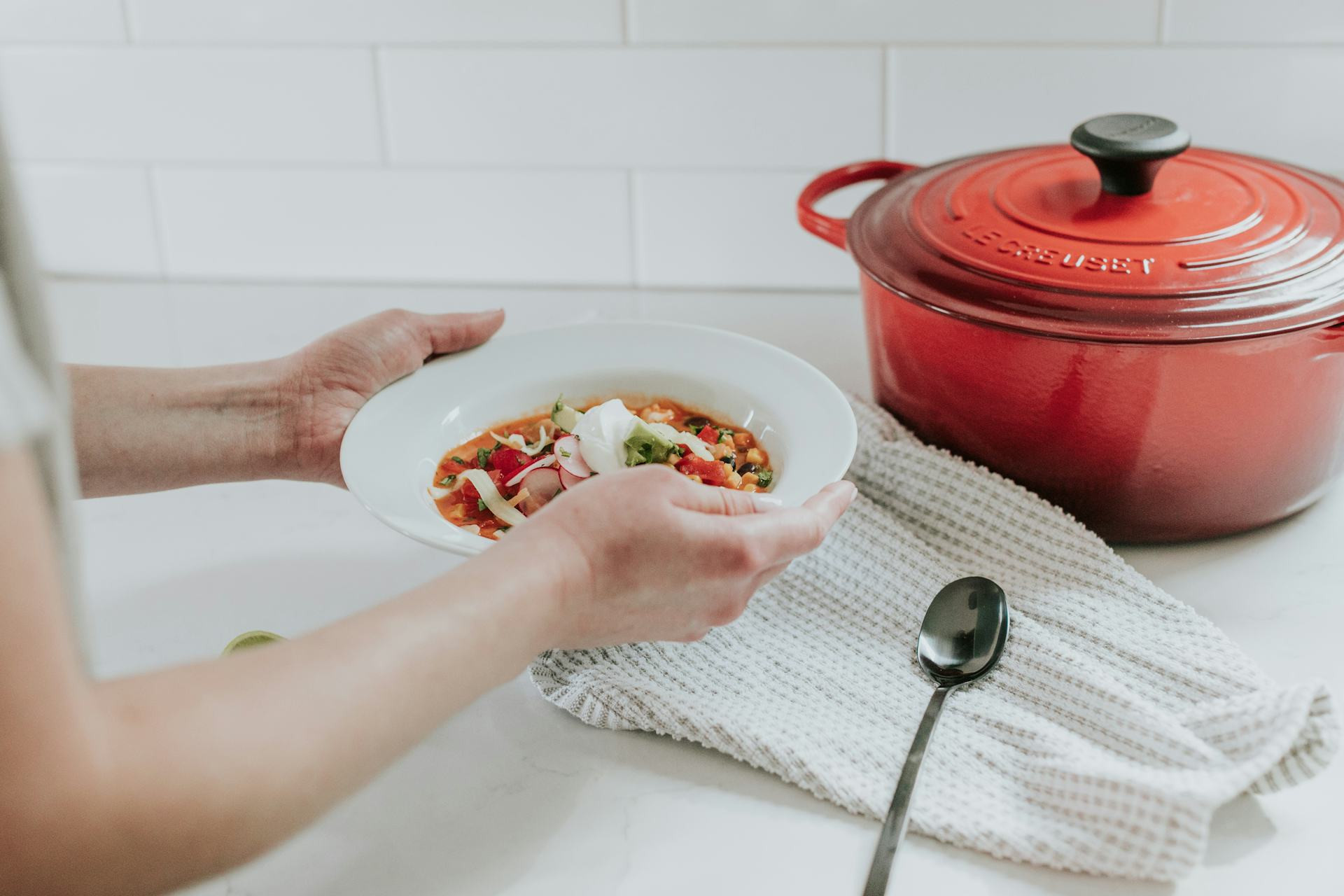
Effortless Variety: Discover the Joy of Simple Food
In a world where cooking often seems tied to elaborate recipes, specialty ingredients, and picture-perfect plating, there’s something refreshing about returning to the basics. Food doesn’t have to be complicated to be satisfying. In fact, simplicity often brings the most joy. When we strip away the excess, we gain more time, calm, and appreciation for both the meal and the people we share it with.
The Beauty of Simplicity
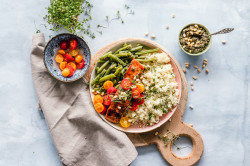
Simple food isn’t about settling for less—it’s about letting ingredients shine. A ripe tomato, a slice of good bread, and a bit of cheese can be just as fulfilling as a multi-course meal when the quality and balance are right. It’s about choosing thoughtfully and using what you have in a way that feels natural.
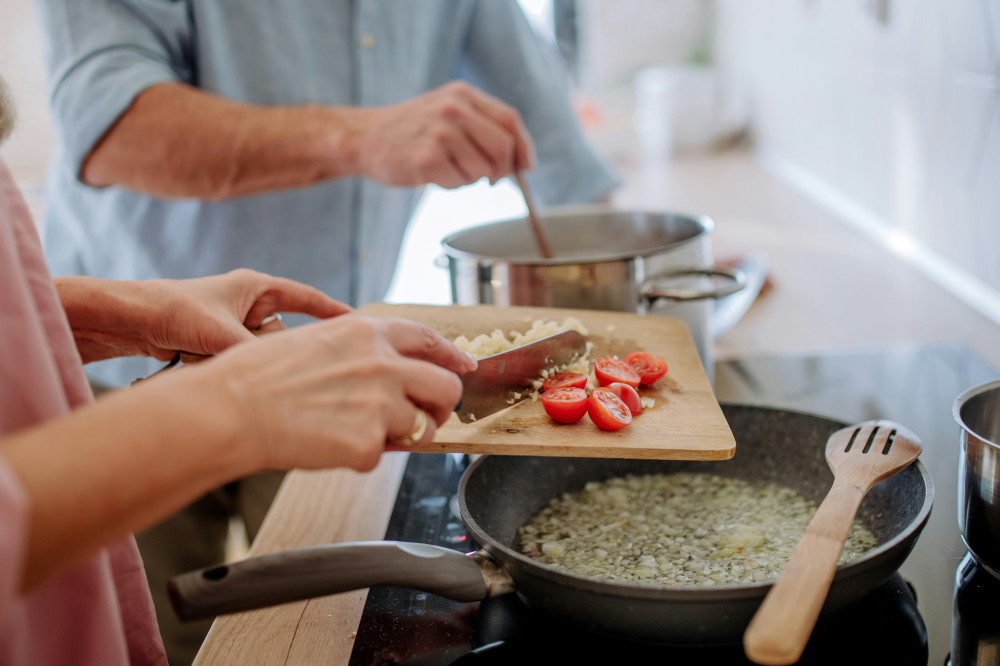
When we simplify cooking, we free ourselves from the pressure of perfection and rediscover the pleasure of the process. The smell of something baking, the sound of vegetables sizzling in a pan, or the act of assembling a meal from a few good ingredients can feel like a small, grounding ritual in a busy day.
Use What You Have and Get Creative
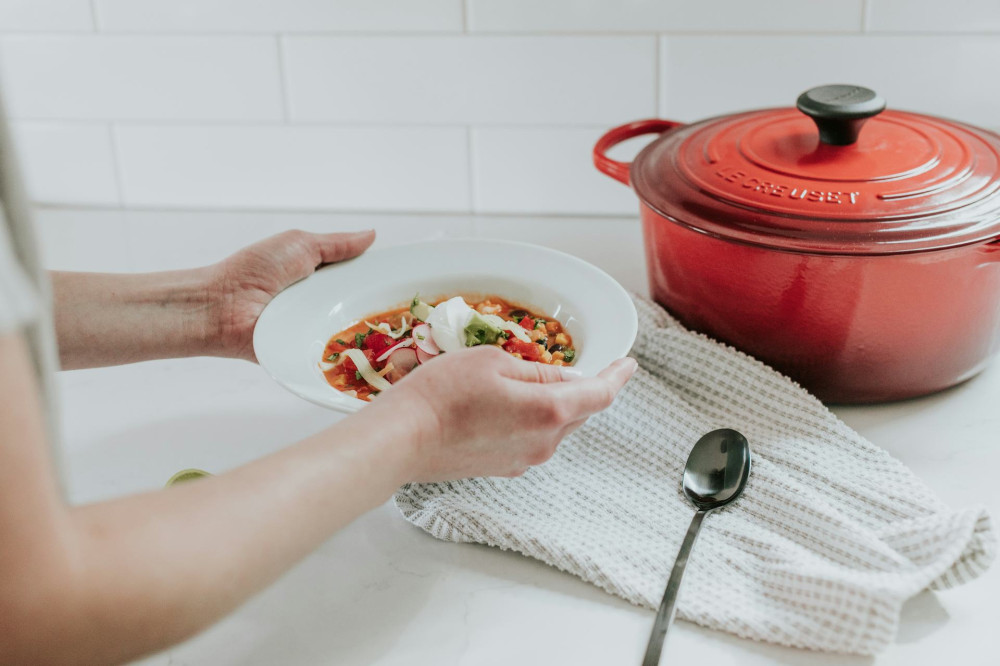
Variety in everyday meals doesn’t have to mean constantly chasing new recipes. Often, it’s about seeing familiar ingredients in new ways. Leftover roasted potatoes can become a warm salad with herbs and mustard dressing. A handful of vegetables in the fridge can turn into an omelet, a soup, or a quick pasta dish.
By using what’s already in your kitchen, you reduce food waste and save both time and money. At the same time, you become more inventive—and that’s where effortless variety truly begins.
Planning Without Pressure
While simple food often feels spontaneous, a bit of planning can make daily life easier. A weekly meal outline doesn’t need to be detailed—just a loose plan of what you’ll cook and what ingredients you’ll need. It brings calm to your week and helps you shop with intention.
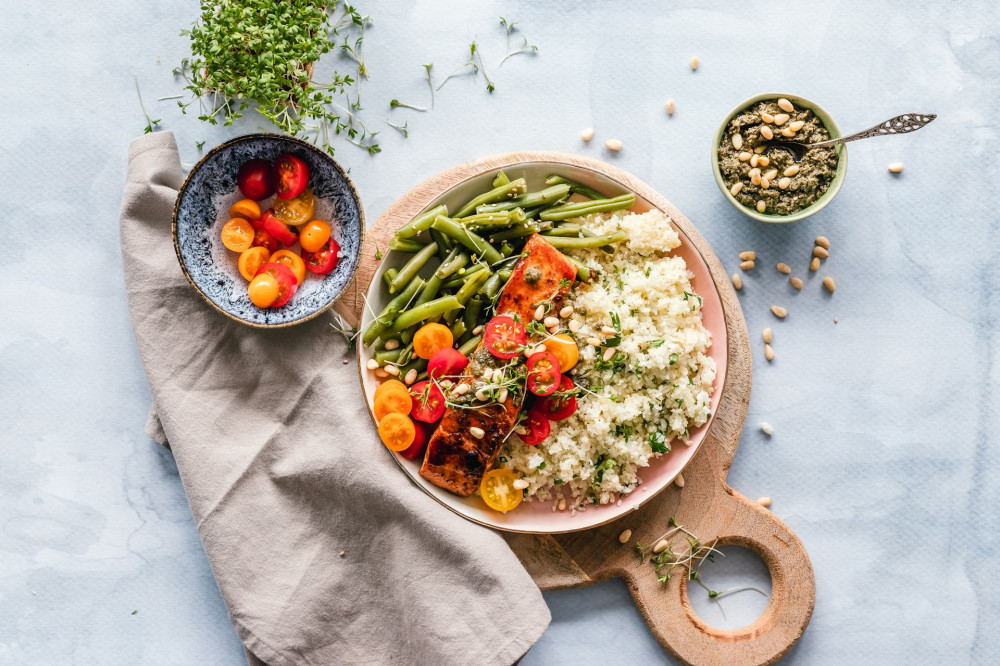
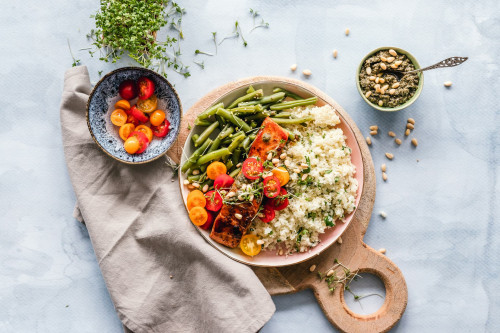
Think in building blocks: grains, vegetables, protein, and flavor. If you keep a few staples on hand—like rice, beans, eggs, frozen veggies, and spices—you can always pull together a meal, even on the busiest days.
A Shift Toward a Simpler Food Culture
Finding joy in simple food also means rethinking our approach to meals. Not every day needs to bring something new, exciting, or perfectly styled. Sometimes, repetition brings comfort and rhythm to our routines.
Try slowing down when you cook. Listen to the sounds, notice the aromas, and enjoy the process. A meal becomes more than just nourishment—it becomes a moment of presence, a pause in the day.
Food as Connection
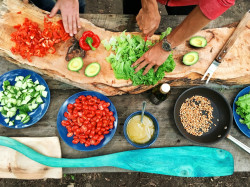
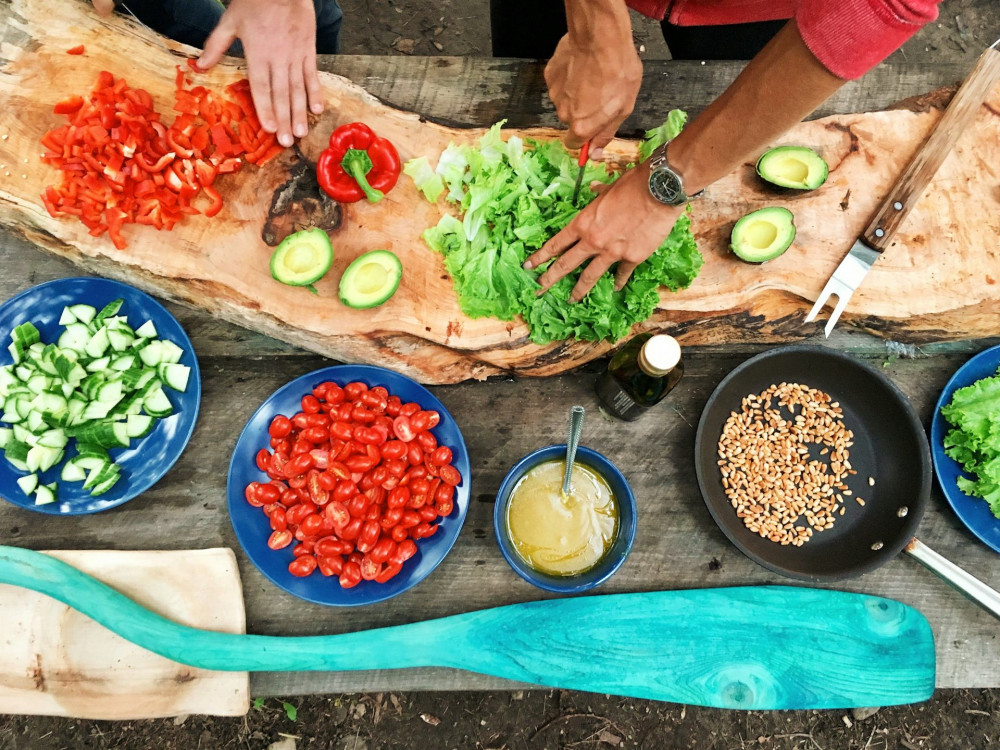
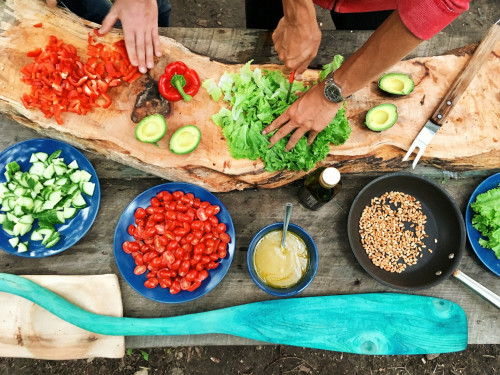
Simple food is especially good for sharing. When a meal doesn’t demand precision or hours of prep, there’s more time for conversation and connection. A table with bread, fresh vegetables, dips, and a bit of cheese can bring family and friends together—without anyone being stuck in the kitchen all evening.
It’s not about impressing others; it’s about creating space for togetherness. That’s where the true joy of simple food lies—in the casual, the honest, and the shared.
Læs også:

Finding Your Own Balance
There’s no single right way to eat simply. For some, it means cooking everything from scratch; for others, it’s about combining a few quality store-bought items with fresh ingredients. What matters most is that your meals feel manageable and nourishing—not stressful or guilt-inducing.
When you find your own rhythm in the kitchen, cooking stops feeling like a chore and becomes a natural part of your day. Effortless variety, in the end, is about finding joy in what’s right in front of you—and discovering that simple food can be beautiful, flavorful, and full of life.
Læs også: