When Game Night Goes Wrong: How to Handle Conflicts During Family Games


When Game Night Goes Wrong: How to Handle Conflicts During Family Games
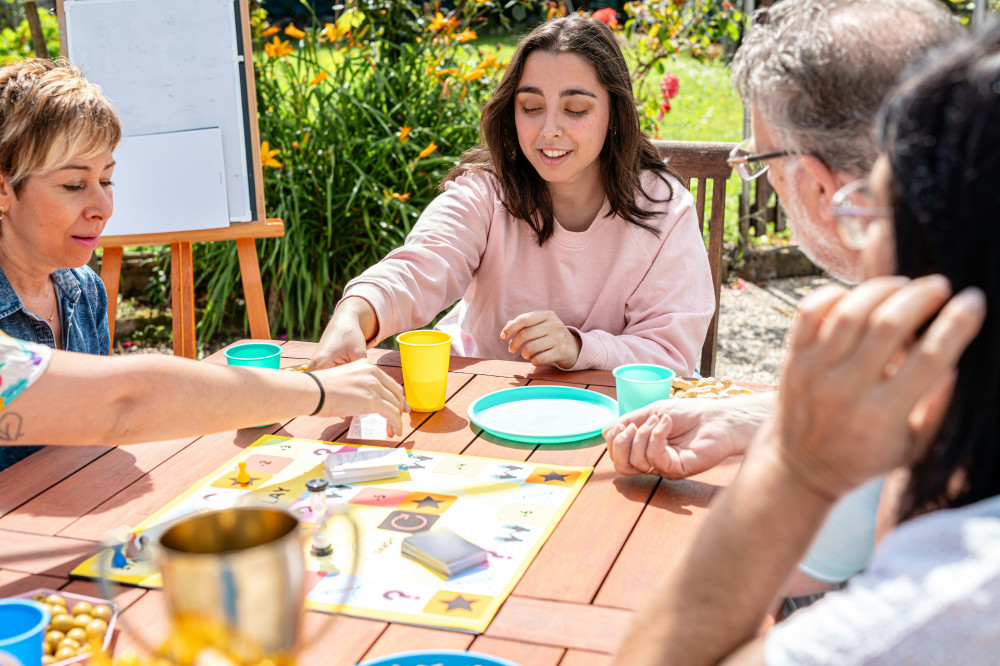
A cozy family game night can quickly turn into a battle over rules, fairness, and who’s really the best strategist. What started as laughter and bonding can end in frustration, tears, or awkward silence. But a little tension during a game doesn’t mean something’s wrong—it can actually be a chance to learn more about each other. Here’s how to handle disagreements and keep the fun alive when game night goes off the rails.
Why Do Conflicts Happen During Games?
Games are about more than dice and cards—they stir up emotions. Competition, perceived unfairness, and the desire to win can bring out strong reactions in both kids and adults. Someone might feel ignored, cheated, or misunderstood, and that can quickly escalate.
Common reasons for conflict include:
- Unclear rules – especially when people remember them differently.
- Competitive instincts taking over – shifting focus from fun to victory.
- Age or skill differences – younger players may feel left out or frustrated.
- Strong emotions – losing or feeling wronged can trigger big reactions.
Understanding why the conflict started is the first step toward resolving it.
Set Expectations Before You Start
One of the best ways to prevent arguments is to talk about the rules and expectations before the first turn. It might sound simple, but it makes a big difference.
- Review the rules together, and agree on how to interpret them.
- Decide how to handle disputes—for example, by checking the rulebook instead of debating.
- Talk about what matters most: winning, having fun, or spending time together.
When everyone’s on the same page, it’s easier to stay calm if things get tense later.
When Tension Rises – Take a Break
If the atmosphere starts to feel heated, pushing through the game rarely helps. Take a short break and give everyone a chance to cool off.
- Pause the game, and acknowledge that there’s a disagreement.
- Let everyone share their side without interruptions.
- Avoid blame—focus on what can be done differently next time.
Sometimes a five-minute break, a snack, or a change of topic is all it takes. Other times, it might be best to pack up the game and try again another day.
Læs også:


Teach Kids (and Adults) to Win and Lose Gracefully
Learning to handle both victory and defeat is one of the most valuable lessons games can teach. Kids—and yes, adults too—need guidance in managing emotions around competition.
- Model good sportsmanship—show how to lose with grace and win without gloating.
- Praise effort, not just results—this keeps the focus on participation and fun.
- Talk about feelings afterward—it’s okay to be disappointed, but not okay to yell or storm off.
When adults set the tone, kids learn that games are about connection, not just competition.
Choose Games That Fit the Group
Some games naturally create more tension than others. Strategy-heavy or highly competitive games can be exciting, but they also demand emotional readiness. If conflicts happen often, consider switching to games that encourage teamwork instead of rivalry.
- Cooperative games like Pandemic or Forbidden Island let everyone work toward a shared goal.
- Light, fast-paced games like Uno or Spot It! keep things playful.
- Creative or storytelling games invite laughter and imagination instead of competition.
The key is to pick games that suit your group’s energy, age range, and mood—so everyone feels included and engaged.
After the Game: Rebuild the Good Vibes
Once the conflict has passed, it can be tempting to just move on. But taking a few minutes to reflect can help prevent future blowups.
Try asking:
- What went well, even though we disagreed?
- What could we do differently next time?
- Should we pick a different game or tweak the rules?
Ending on a positive note helps everyone let go of lingering frustration and look forward to the next game night.
Games Are About Connection, Not Competition
Family game nights are meant to bring people together. Disagreements are bound to happen, but they can be handled with patience, humor, and respect. When you learn to navigate those moments, game night becomes more than just entertainment—it becomes a lesson in empathy, communication, and teamwork.
So next time the dice roll and tempers flare, remember: the real win is walking away still wanting to play together.
Læs også: