Find peace and presence through family games

Find peace and presence through family games
In a world filled with screens, schedules, and constant notifications, it can be hard to slow down and truly connect as a family. Yet those small moments of laughter, play, and shared attention can bring a sense of calm and togetherness that strengthens relationships and well-being. Family games don’t have to be complicated or time-consuming—it’s about creating space for connection where everyone can join in.
Why play brings peace
Play isn’t just for kids. When adults join in, something special happens: the pace slows, and attention shifts from tasks to experiences. Play allows us to let go of control and be present—a kind of active relaxation that helps counter everyday stress.
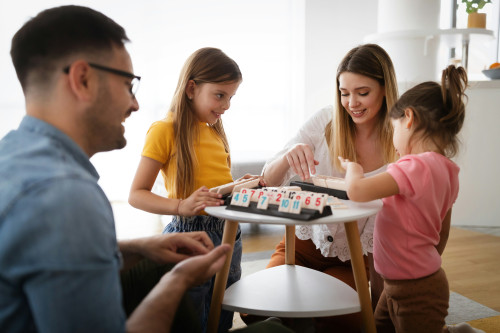
For children, play is a natural way to express themselves. For adults, it’s often something to rediscover. When the whole family plays together, age and roles fade into the background, replaced by shared laughter and creativity. It builds trust, empathy, and a sense of belonging.
Setting the stage for presence
For play to bring calm, it helps to create the right conditions. That doesn’t mean planning every detail, but rather being intentional about time together without distractions.
- Put away phones and tablets. Agree that no one checks messages while you play.
- Choose a time when everyone has energy. After dinner or on a weekend morning can work well.
- Create a cozy atmosphere. Sit on the floor, light a candle, or play soft background music—whatever makes it feel relaxed and inviting.
When play becomes a regular part of family life—even just 20 minutes a few times a week—it becomes easier to find peace and presence together.
Three games that bring families together
Here are three simple games that both kids and adults can enjoy, with little or no equipment needed.
1. The growing story
One person starts with a sentence, such as “Once there was a dog who wanted to fly.” The next person adds a sentence, and so on. The story quickly takes unexpected turns, and that’s the fun of it. This game sparks imagination, teamwork, and laughter—and helps everyone practice listening.
2. The mystery bag
Find five small household items—a spoon, a rock, a piece of fabric, a pencil, and an orange. Place them in a bag. One person closes their eyes and guesses what they’re touching. It’s a calm, sensory game that encourages focus and mindfulness for all ages.
3. Slow-motion tag
Instead of running, everyone moves in slow motion. The person who’s “it” can only walk slowly, and everyone else must do the same. It quickly becomes hilarious as everyone tries to move carefully and stay balanced. The slower pace naturally brings calm and awareness to the body.
Play as an antidote to screen time
Many families struggle with how much time screens take up. It’s hard to compete with video games, streaming shows, and social media—but play offers something screens can’t: real connection. When you play together, you make eye contact, share energy, and respond to each other in the moment.
That doesn’t mean screens have to be banned. It’s about balance. A good rule of thumb is to make sure shared activities and playtime take up at least as much space as individual screen time. This rhythm supports both emotional and mental health for kids and adults alike.
Make play a habit
The key isn’t how long you play, but how often. Small rituals can make it easier to keep it going:
- Create a “game jar” where everyone writes down ideas on slips of paper. Pick one when you have time.
- Set aside a weekly “family hour” with no agenda—just time to be together.
- Use play as a transition between work and weekend, a way to signal that it’s time to slow down.
When play becomes a natural part of family life, it’s easier to find calm in the everyday. It’s not about doing more—it’s about being more, together.
Læs også:

Presence begins in small moments
Finding peace and presence through family games doesn’t require big changes. It starts with small choices to be present: a shared laugh, a silly mistake, a story that goes off track because everyone’s giggling. Those are the moments that hold families together.
In a culture that often values productivity over pause, play is a gentle reminder that the most meaningful parts of life happen when we take time to simply be—with the people we love most.
Læs også: