Laughter and Play as Medicine: How Humor Strengthens a Family’s Mental Bond

Laughter and Play as Medicine: How Humor Strengthens a Family’s Mental Bond
Laughter isn’t just a reaction to something funny—it’s a kind of social glue that connects us. In a time when many American families are juggling work, school, screens, and endless to-do lists, humor and play can be simple yet powerful ways to strengthen emotional bonds. Research shows that laughter reduces stress, increases feelings of connection, and improves communication. But how can families intentionally use humor as a resource in everyday life?
Humor as a Shared Language
Humor works as a shared language that bridges generations and builds understanding when words alone fall short. When a family laughs together, they share a moment of unity—a pause from daily demands where everyone is on the same wavelength.
It doesn’t take much: an inside joke, a silly face at the dinner table, or a spontaneous game that lets everyone drop their guard for a moment. The goal isn’t to be funny on command, but to make space for lightness and spontaneity.
Læs også:



The Psychology of Laughter—Why It Works
When we laugh, our bodies release endorphins—the “feel-good” chemicals that reduce stress and boost well-being. At the same time, levels of the stress hormone cortisol drop, and blood pressure decreases. Laughter doesn’t just feel good; it has measurable effects on both body and mind.
For children, humor is an essential part of emotional development. It helps them understand social cues, manage conflicts, and build empathy. For adults, humor acts as a pressure valve, making it easier to handle daily stress and maintain perspective.
When Everyday Life Gets Too Serious
Many families find that their routines become so structured that there’s little room for spontaneity. Between work schedules, homework, and extracurriculars, the atmosphere can start to feel heavy. Humor can serve as a counterbalance—a reminder that it’s okay to take things a little less seriously sometimes.
A shared laugh in the middle of a tense moment can defuse conflict and create new energy. That doesn’t mean making light of serious issues, but rather using humor to ease tension and reconnect when communication breaks down.
Play as a Shared Safe Space
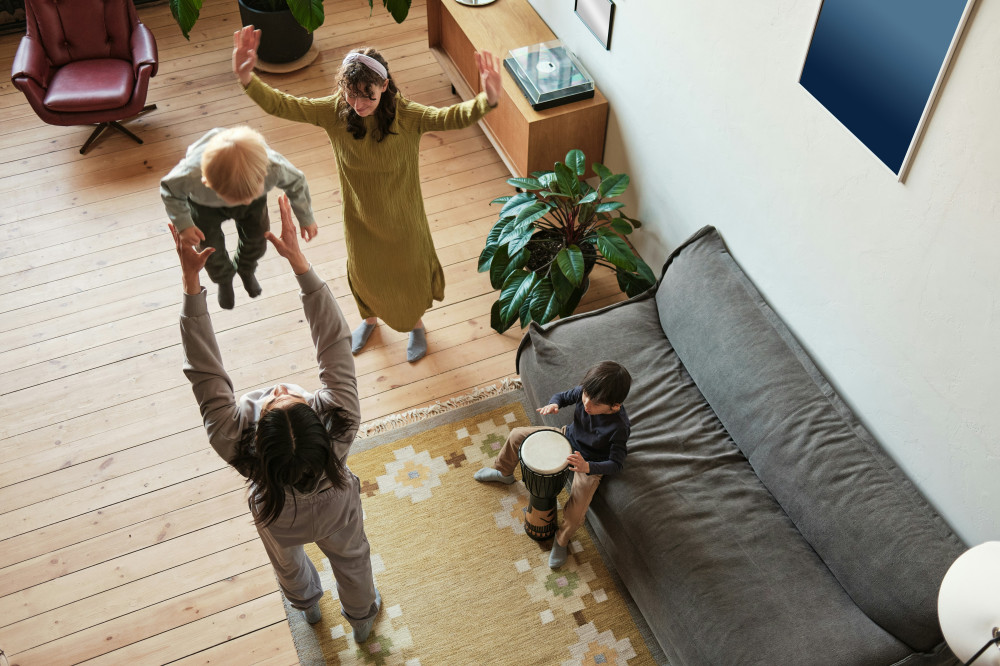
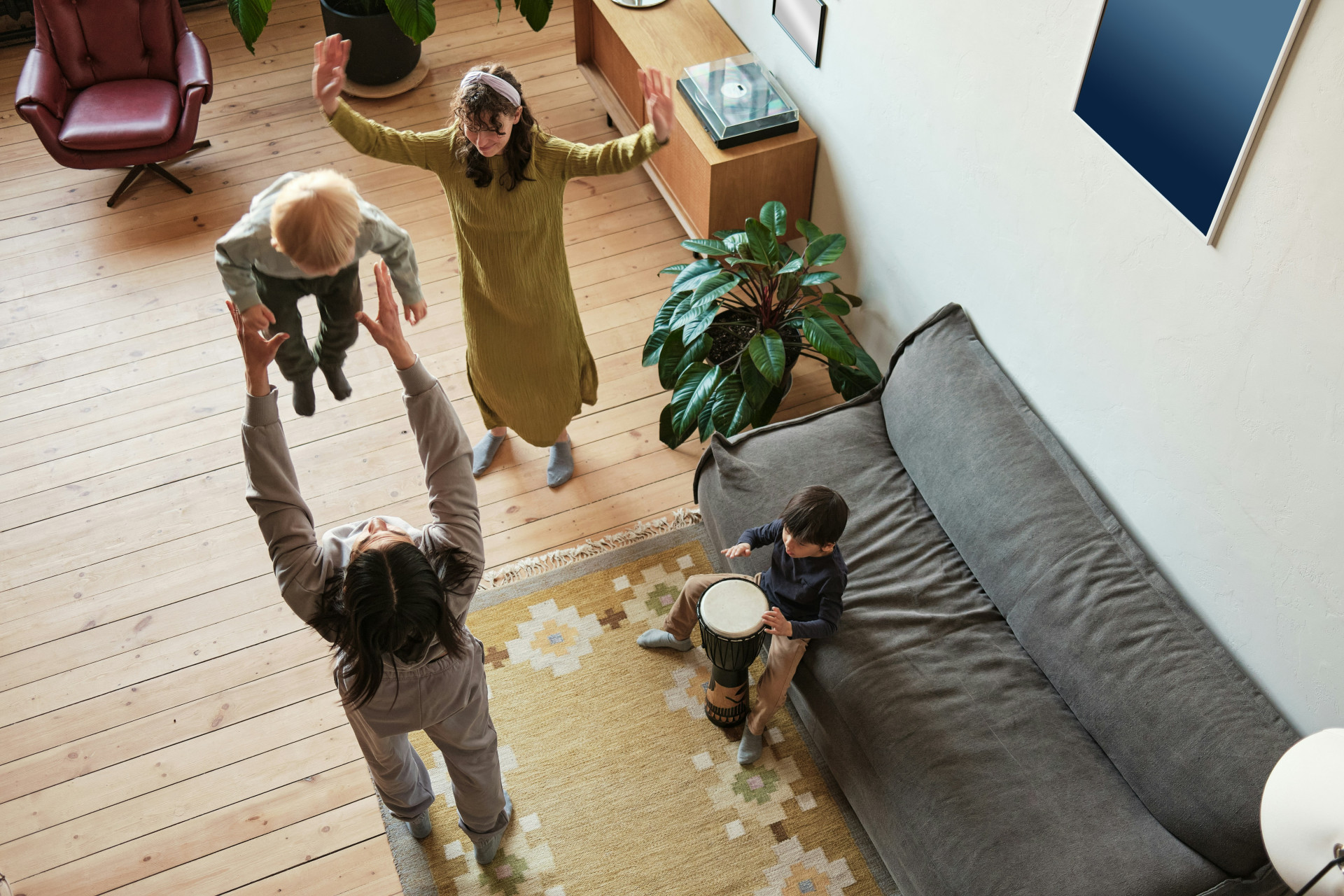
Play is the natural extension of humor. When families play together—whether it’s a board game, a backyard soccer match, or a goofy dance-off in the living room—they create a space where roles become more flexible. Parents become teammates instead of authority figures, and children get to see adults as people who can be silly too.
Play builds trust and emotional safety because it’s based on mutual respect and joy. It reminds us that relationships aren’t just about responsibility and structure—they’re also about presence, laughter, and shared experiences.
Simple Ways to Bring More Humor Into Family Life
Creating a more playful, humorous home doesn’t require big changes—just a conscious effort to make room for laughter. Here are a few easy ideas:
- Share the funniest moment of your day at dinner—it could be something you saw, heard, or experienced.
- Schedule “silly time”—fifteen minutes where everyone can be as goofy as they want, no rules attached.
- Use humor in conflicts—a smile or lighthearted comment can often break the ice.
- Watch or read something funny together—shared laughter builds shared memories.
- Be a role model—when adults can laugh at themselves, kids learn that mistakes and imperfections are part of life.
Humor as Everyday Mental Health
Families that laugh together often stand stronger in tough times. Humor can’t erase problems, but it can change how we face them. It fosters a sense of togetherness that makes it easier to support one another when life gets challenging.
Cultivating humor and play in family life isn’t just entertainment—it’s an investment in mental health. It’s about creating a home where there’s room for both seriousness and laughter, and where joy in one another is part of everyday life.
Læs også: