Better Communication in the Family – Start with Open Conversations

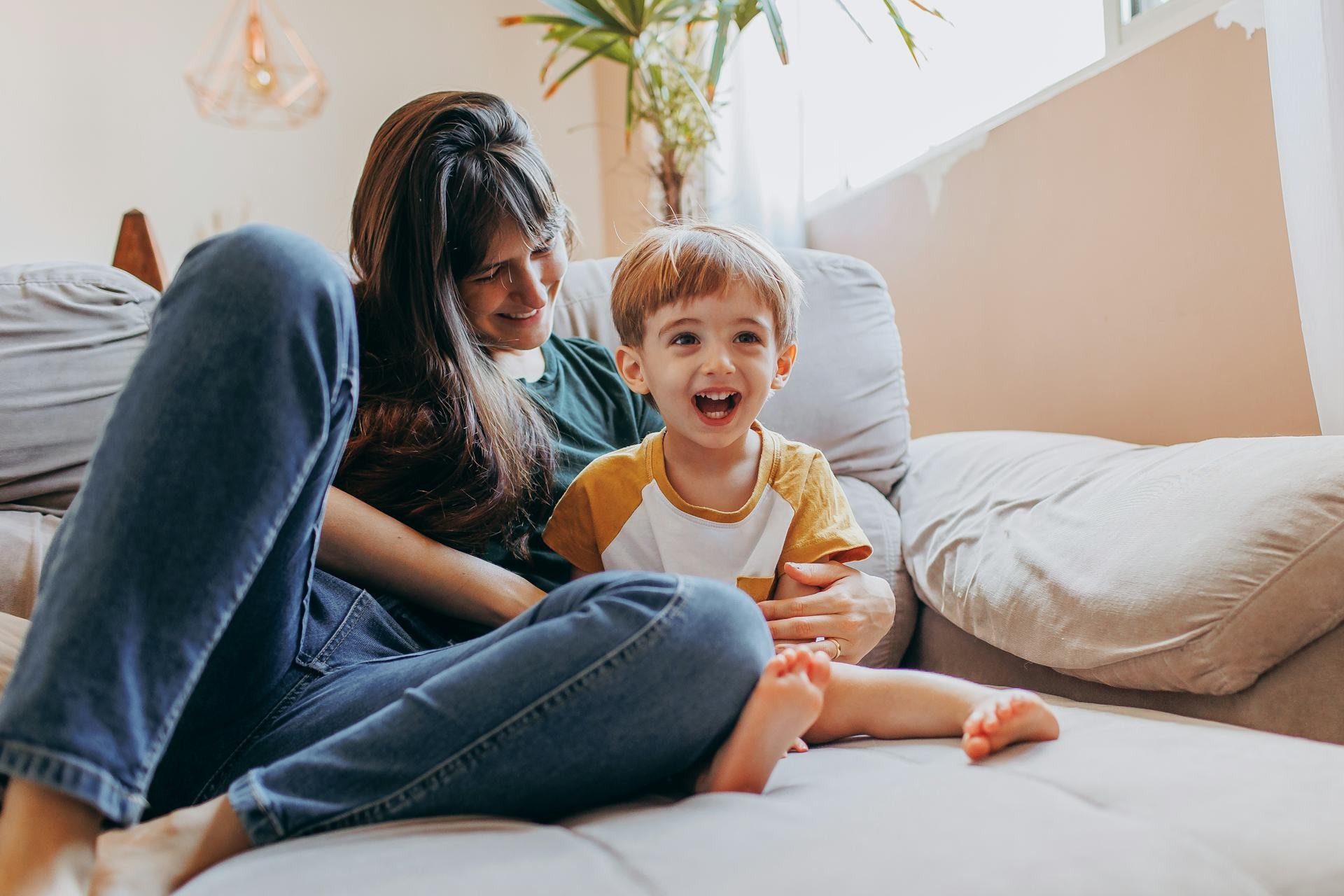
Better Communication in the Family – Start with Open Conversations
In today’s busy American households, where work, school, sports, and screens compete for attention, it can be hard to stay truly connected. Many families find that their conversations revolve around logistics—who’s driving where, what’s for dinner, or what needs to get done this weekend. But strong communication is the foundation of a healthy family life. It begins with something simple—and yet often challenging—open conversations.
Why Open Conversations Matter
Open conversations are about more than exchanging information; they’re about building understanding. When family members feel safe sharing their thoughts, feelings, and worries, trust and closeness grow. Everyone feels heard and respected, and that sense of belonging strengthens family bonds.
Children who grow up in families that communicate openly learn to express their emotions and handle conflicts in a healthy way. Parents, in turn, gain deeper insight into what their children are experiencing—even when the kids don’t say it directly.
Make Time and Space for Talking
Good conversations rarely happen in the middle of chaos. They need time and calm. Many families find it helpful to create regular moments for talking—around the dinner table, during a walk, or before bedtime.
These don’t have to be long or serious talks every time. What matters most is that there’s space to speak and to listen. Turn off the TV, put away the phones, and be present. When children and adults feel that they have your full attention, it becomes easier to open up.
Listen More Than You Talk
One of the biggest challenges in families is that we often listen to respond, not to understand. Active listening means giving the other person time to finish, asking questions, and showing that you’re trying to understand what’s being said.
When a child says they had a rough day, it’s tempting to jump in with advice or solutions. But often, what they need most is empathy: “That sounds like a tough day—want to tell me more about it?” Responses like that open the door to deeper conversation instead of shutting it down.
Talk About the Hard Stuff—Even When It’s Uncomfortable
Many families avoid difficult topics to keep the peace. But silence can create distance. Whether it’s about conflict, disappointment, or sadness, avoiding the hard conversations can make problems grow.
It takes courage to talk about uncomfortable feelings, but that’s where relationships deepen. Start by speaking from your own perspective: “I feel hurt when…” instead of blaming or accusing. This makes it easier for others to listen without becoming defensive.
Use Curiosity as a Tool
Curiosity is an underrated part of good communication. When you ask open, genuine questions, you show interest in the other person’s experience. Questions like “How did that make you feel?” or “What do you think we could do differently next time?” invite dialogue instead of debate.
This applies to both parent–child and adult relationships. Curiosity builds understanding, and understanding builds closeness.
Læs også:

Create a Culture of Honesty and Respect
Open communication thrives in an environment where it’s safe to speak your mind. That means being able to disagree without fear of rejection or ridicule. As a parent, you can lead by example—admit when you’re wrong, apologize when needed, and show that you’re willing to listen to feedback.
When children see honesty met with respect, they learn that it’s safe to be themselves—even when they’re struggling.
Small Steps Make a Big Difference
Improving family communication isn’t a one-time project; it’s an ongoing process. Start small: ask more questions, listen more carefully, and stay open to learning about each other in new ways.
Even small changes—like choosing to talk instead of text, or asking “How are you really doing?”—can make a big difference in daily life.
A Stronger Family Begins with Conversation
When families talk openly, it becomes easier to handle conflicts, support one another, and share joy. Communication isn’t just about words—it’s how we show love, respect, and connection. And it all begins with the courage to start that first open conversation.
Læs også: