Empathy in Practice: How Children Learn Respect Through Everyday Experiences

Empathy in Practice: How Children Learn Respect Through Everyday Experiences
Empathy and respect are not lessons children absorb through lectures or rules alone. They grow through daily interactions — at home, in school, and in the community. When children see how their actions affect others, and when they themselves are met with understanding, they begin to grasp what it means to care and to respect. But how can adults nurture that process in everyday life?
Empathy Begins with Being Seen and Heard
A child who feels understood is more likely to understand others. When adults take time to listen — even to small frustrations or fleeting joys — they show that feelings and perspectives matter. That sense of being heard is the foundation of empathy.
Imagine a child upset because a playdate was canceled. Instead of brushing it off with “It’s not a big deal,” a parent might say, “I can see you’re disappointed. You were really looking forward to it.” That simple acknowledgment teaches the child that emotions are valid and that others, too, have their own reasons and experiences.
Everyday Life as a Learning Space
Empathy and respect are practiced, not preached. They take shape in daily routines — when children share toys, help set the table, or apologize after a disagreement. The key is to make those moments visible and meaningful.
- Name the connection: When a child helps a sibling, say, “That was kind of you — it made her happy.” This links the action to its emotional impact.
- Model respect: Children learn more from what we do than what we say. When adults speak kindly, listen attentively, and admit mistakes, they show what respect looks like in real life.
- Encourage reflection: After a conflict, talk about how everyone felt. This helps children see that there can be more than one perspective in any situation.
Læs også:


Turning Conflict into a Learning Opportunity
Disagreements are inevitable — but they’re also powerful teaching moments. When children argue, it’s rarely just about a toy or a turn. It’s about being seen, heard, and valued.
Adults can guide rather than judge. Ask questions like, “How do you think your friend felt when that happened?” or “What could you do differently next time?” This shifts the focus from blame to understanding. Over time, children become more aware of their own emotions and those of others — the essence of respect.
The Role of Schools and Communities
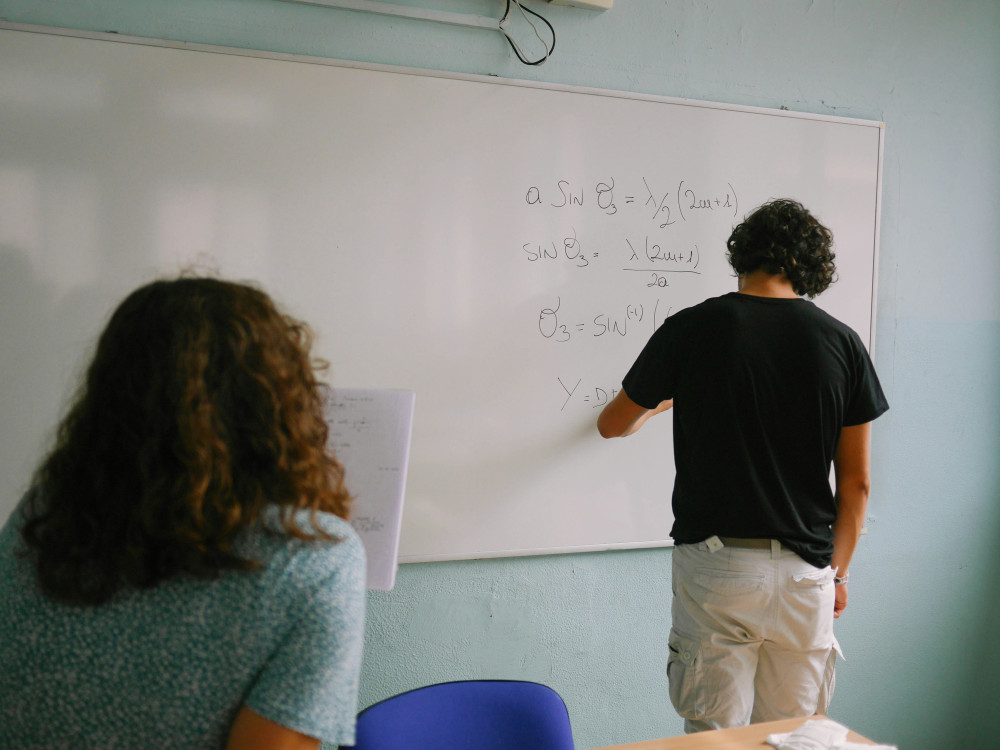
Empathy doesn’t develop in isolation. In classrooms, playgrounds, and after-school programs, children encounter diversity — in backgrounds, personalities, and viewpoints. These experiences teach them to collaborate, listen, and appreciate differences.
Teachers and caregivers can foster empathy by creating inclusive environments where every child feels they belong. Group projects, class discussions, and community service activities all help children practice cooperation and perspective-taking. When they experience diversity as a strength, respect becomes a natural part of how they relate to others.
Adults as Role Models
Empathy is contagious. Children mirror the adults around them — in how we speak, react, and handle disagreements. When we treat others with respect, even in moments of frustration, we show that respect isn’t about agreement but about recognizing another person’s dignity.
That also means being willing to show vulnerability. Saying “I’m sorry” when we lose patience or sharing how we feel gives children a realistic picture of emotional honesty and repair. It teaches that respect includes accountability and openness.
Small Steps, Lasting Impact
Learning empathy and respect is a lifelong journey, but it begins in the smallest moments. Everyday conversations, conflicts, and acts of cooperation are where children build their social compass. When adults meet them with curiosity and understanding, we show that respect is not just a rule to follow — it’s a way of being together.
Læs også: