Digital Games as a Shared Activity – How to Find the Right Balance

Digital Games as a Shared Activity – How to Find the Right Balance
Digital games have become a natural part of everyday life for many American families. For kids and teens, gaming is often a way to connect with friends, while adults may see it as entertainment or a way to unwind. But how can families enjoy gaming together without letting it take over? Here are some ideas for finding the right balance between screen time, togetherness, and healthy variety in daily life.
Gaming as a Shared Experience
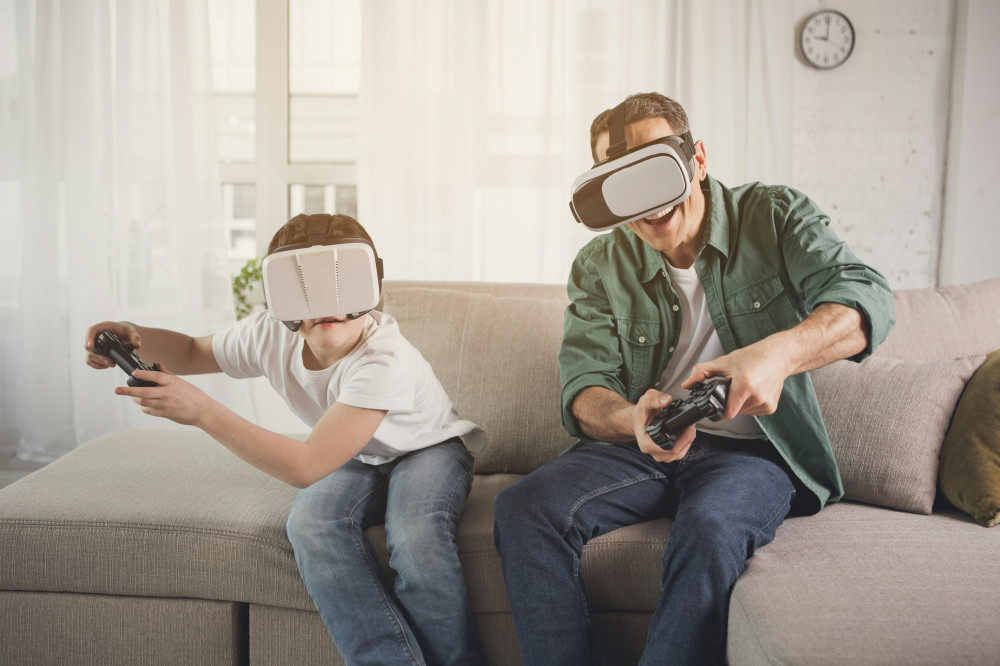
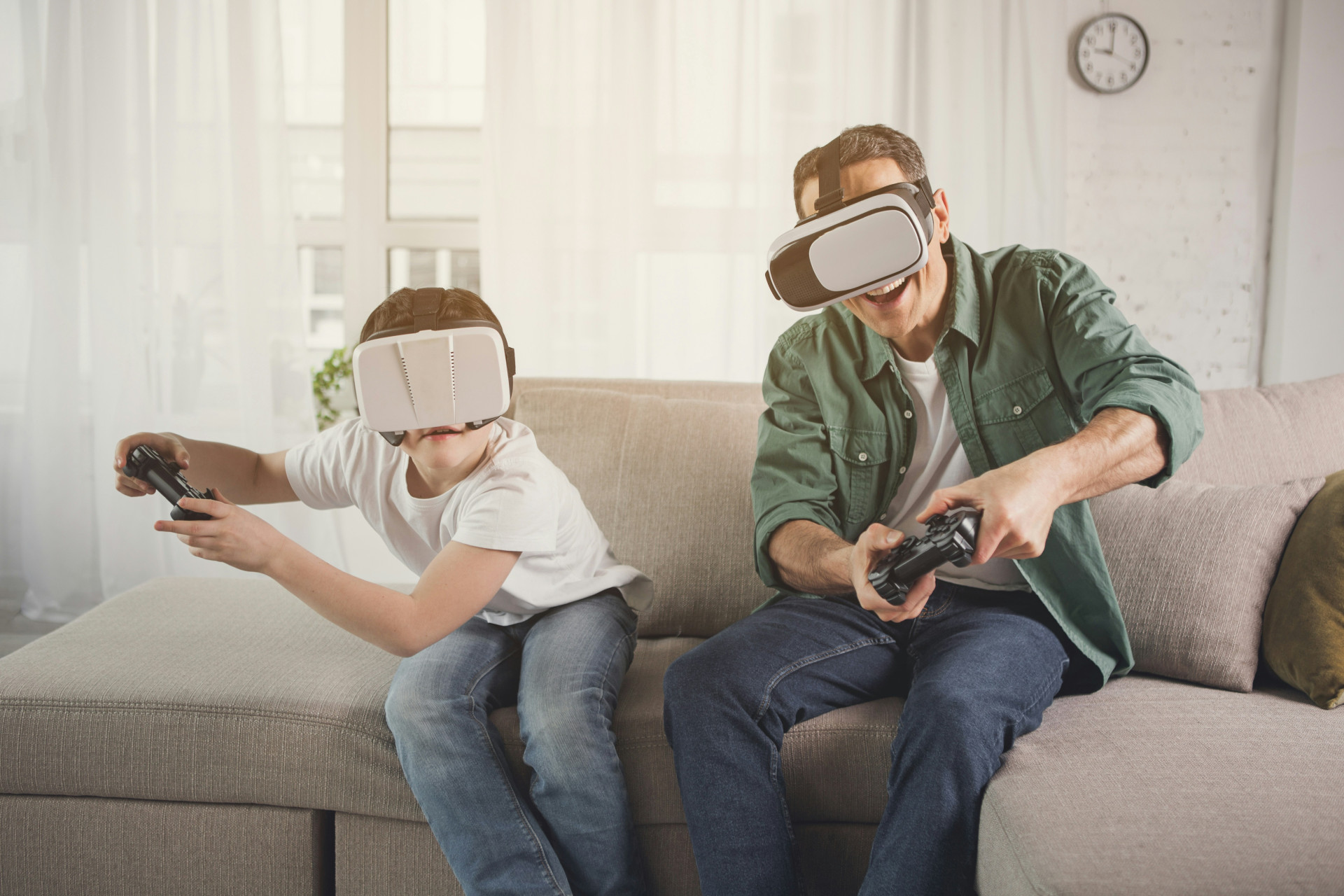
In many households, gaming quickly becomes a solo activity — the child plays in their room while parents do something else. But digital games can also be a great way to spend time together. When you play as a family, you share laughter, teamwork, and friendly competition that can strengthen relationships.
Try choosing games that everyone can enjoy, regardless of age or experience. Family-friendly quiz games, creative building worlds, or cooperative adventures can all bring people together. The goal isn’t to win — it’s to share the experience.
Talk About the Games – and Show Interest
For many kids, gaming is a big part of their social life. They talk about games with friends, watch videos about them, and follow new releases. As a parent, showing interest in what they play and why they enjoy it can open up meaningful conversations. It helps you understand their world and builds trust.
When you know what a game is about, it’s easier to discuss both the fun parts and the challenges — like frustration, competition, or online behavior. That understanding helps you guide your child toward safe and positive gaming habits.
Set Boundaries – but Keep Them Flexible
One of the biggest challenges with digital games is managing time. Too much screen time can affect sleep, physical activity, and social life, but overly strict rules can lead to conflict or secret gaming.
Create agreements together. Talk about when gaming fits best and for how long. It can help to have “no-screen” times — for example, during meals or right before bed — but also allow for extra gaming time on weekends or holidays when it makes sense.
As kids grow older, they can take more responsibility for managing their own time. The goal is to teach balance, not to ban gaming altogether.
Choose Games Thoughtfully
Not all games are suited for family fun. Some are fast-paced and competitive, which can lead to stress or frustration, while others encourage creativity and cooperation. Look at the game’s age rating, but also consider its content: What’s the goal? What values does it promote?
There are plenty of games that foster teamwork, problem-solving, and imagination — and that are enjoyable for both kids and adults. Don’t be afraid to experiment. Sometimes a simple puzzle or digital board game can bring just as much joy as a big action title.
Keep Variety in Everyday Life
While gaming can be a great shared activity, it’s important that it doesn’t become the only one. Make sure there’s also time for outdoor play, creative projects, and screen-free experiences. Variety helps everyone recharge in different ways.
A good rule of thumb is that gaming should be part of life — not all of it. When you combine digital and offline activities, you get the best of both worlds.
Læs også:




Games as a Bridge Between Generations
Digital games can also connect generations. Grandparents can play with grandchildren, and parents can discover new sides of their kids through gaming. All it takes is curiosity and a willingness to try something new.
Many families find that playing together creates a shared language — especially when it’s hard to find time to connect otherwise. Sometimes fifteen minutes of gaming together can bring more closeness than a long conversation, because you’re sharing an experience rather than just words.
Find Your Own Balance
There’s no single right way to include gaming in family life. Some families play together every weekend, others only occasionally. What matters most is that gaming becomes a source of connection, not conflict.
By showing interest, setting boundaries, and keeping variety in your routines, you can find a balance that fits your family. That way, digital games won’t be a time-waster — but a meaningful way to be together in a modern, connected world.
Læs også: