Conversations About the End of Life Can Strengthen Family Bonds


Conversations About the End of Life Can Strengthen Family Bonds
Talking about death is one of the hardest conversations many families will ever have. Yet, open discussions about the end of life can bring understanding, comfort, and closeness. When we dare to face the topic together, it becomes easier to respect one another’s wishes and to support each other when the time comes.
Why These Conversations Matter
Many Americans avoid talking about death because it feels uncomfortable or premature. But that’s exactly why it can be a relief to have the conversation while everyone is healthy and clear-minded. These talks aren’t only about practical matters like wills, medical directives, or funeral plans—they’re also about values, hopes, and relationships.
When family members share what matters most to them in their final phase of life, they create a shared understanding. This can prevent conflict and confusion later, when decisions need to be made under stress. It can also bring peace of mind to know that loved ones understand and will honor one’s wishes.
A Path to Connection
Although the topic may seem heavy, many families find that talking about death actually brings them closer. Discussing the end of life often leads to deeper conversations about what gives life meaning right now.
These reflections can inspire people to think about how they want to live, which relationships they want to nurture, and how they want to spend their time. In this way, a conversation about death becomes a conversation about life itself.
How to Begin the Conversation
There’s no single right way to talk about the end of life. What matters most is creating a safe and respectful space for everyone involved. Here are a few ways to start:
- Begin with something familiar. It might be easier to talk about a recent experience—such as attending a funeral or reading an article on the topic.
- Share your own thoughts first. When one person opens up, it encourages others to do the same.
- Take your time. These conversations rarely happen all at once. It’s okay to pause and return to the topic later.
- Listen without judgment. Everyone has different feelings and beliefs about death, and that’s natural.
Some families choose to write down their wishes in an advance directive or living will, while others prefer to keep the discussion ongoing. The important thing is that the conversation happens.
Læs også:



When the Conversation Feels Difficult
It’s normal for strong emotions to surface. Some people may feel sad or anxious, while others may withdraw. If that happens, take a break and revisit the topic later. It can also help to involve a neutral third party—such as a counselor, chaplain, or healthcare provider—who can guide the discussion and provide support.
For aging parents, it can be a relief to express their wishes clearly. For adult children, it can bring a sense of responsibility and closeness. In both cases, the conversation becomes an act of care—for oneself and for one another.
Strength in Life’s Transitions
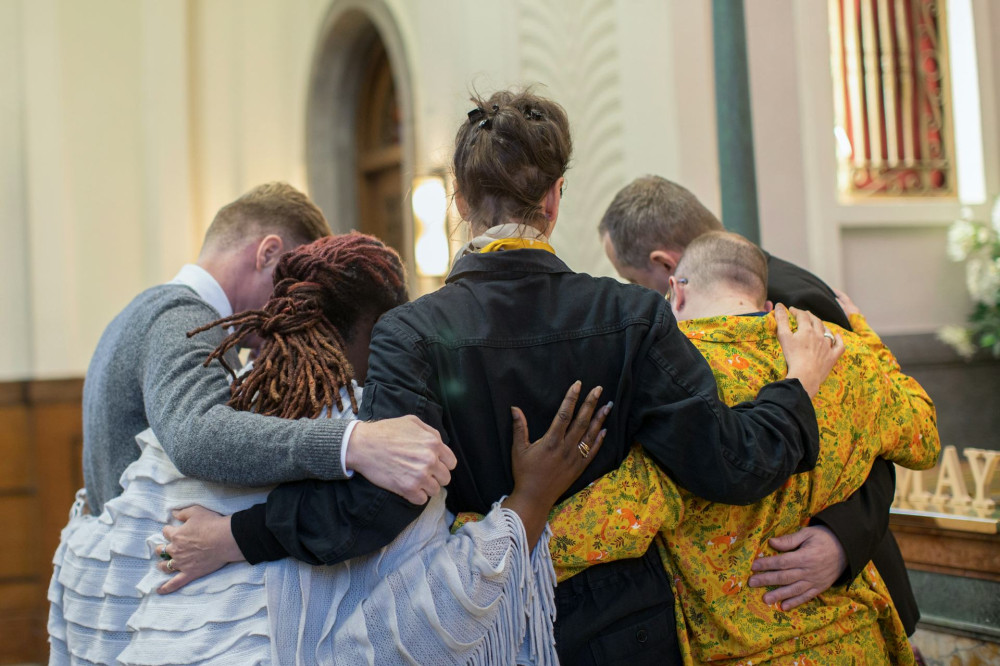
Families who have talked openly about the end of life often find themselves stronger when loss eventually comes. There’s less uncertainty about what the loved one wanted, and more room to comfort each other in grief. These conversations can also create a deeper sense of unity—a feeling that the family stands together through one of life’s most profound experiences.
Talking about death isn’t a sign of pessimism; it’s an expression of love and responsibility. It’s about taking care of each other, even in life’s most difficult moments.
Læs også: