Colors and Patterns Through the Year – How Fashion Trends Evolve

Colors and Patterns Through the Year – How Fashion Trends Evolve
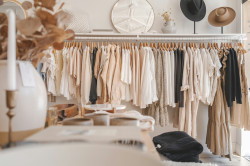
Fashion is more than silhouettes and fabrics – colors and patterns are just as essential in expressing who we are. Each year brings a new palette, and fresh combinations appear on runways, in stores, and on the streets. But how do fashion trends actually evolve through the seasons, and why do certain colors and prints suddenly become popular while others fade away? Here’s a look at how the rhythm of the seasons, culture, and technology shape American fashion.
Spring’s Fresh Start – Soft Hues and Blooming Prints
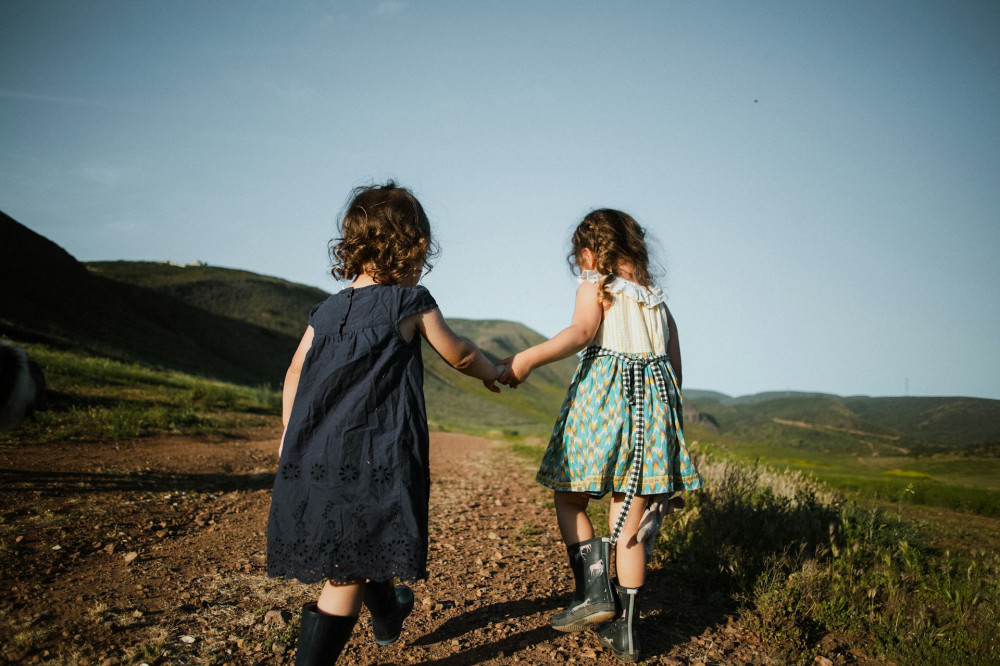
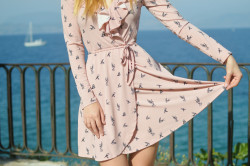
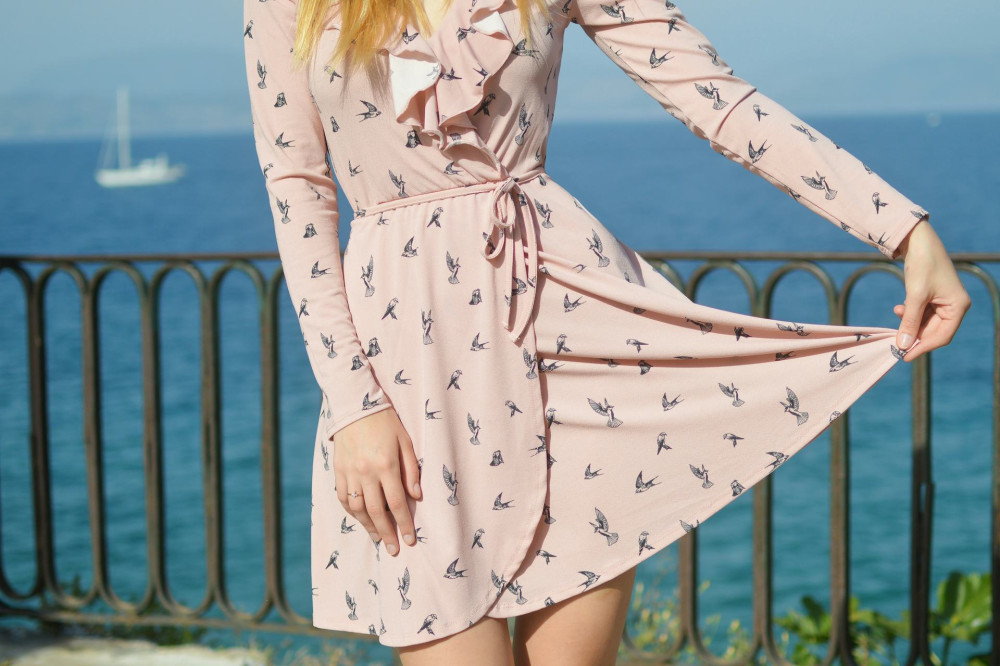
As winter loosens its grip and daylight stretches longer, many crave brightness and renewal. Spring fashion reflects that mood. Pastels, soft greens, and blush tones often dominate collections. Patterns draw inspiration from nature – florals, leaves, and organic shapes that signal growth and optimism.
Designers use spring to experiment with uplifting expressions. It’s the season when we first see hints of the colors that will define the rest of the year. A shade that begins as a subtle accent in a spring collection can quickly become the must-have color of the season.
Læs også:
Summer’s Energy – Bold Colors and Playful Prints
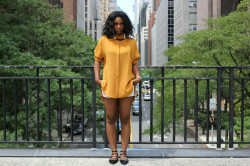
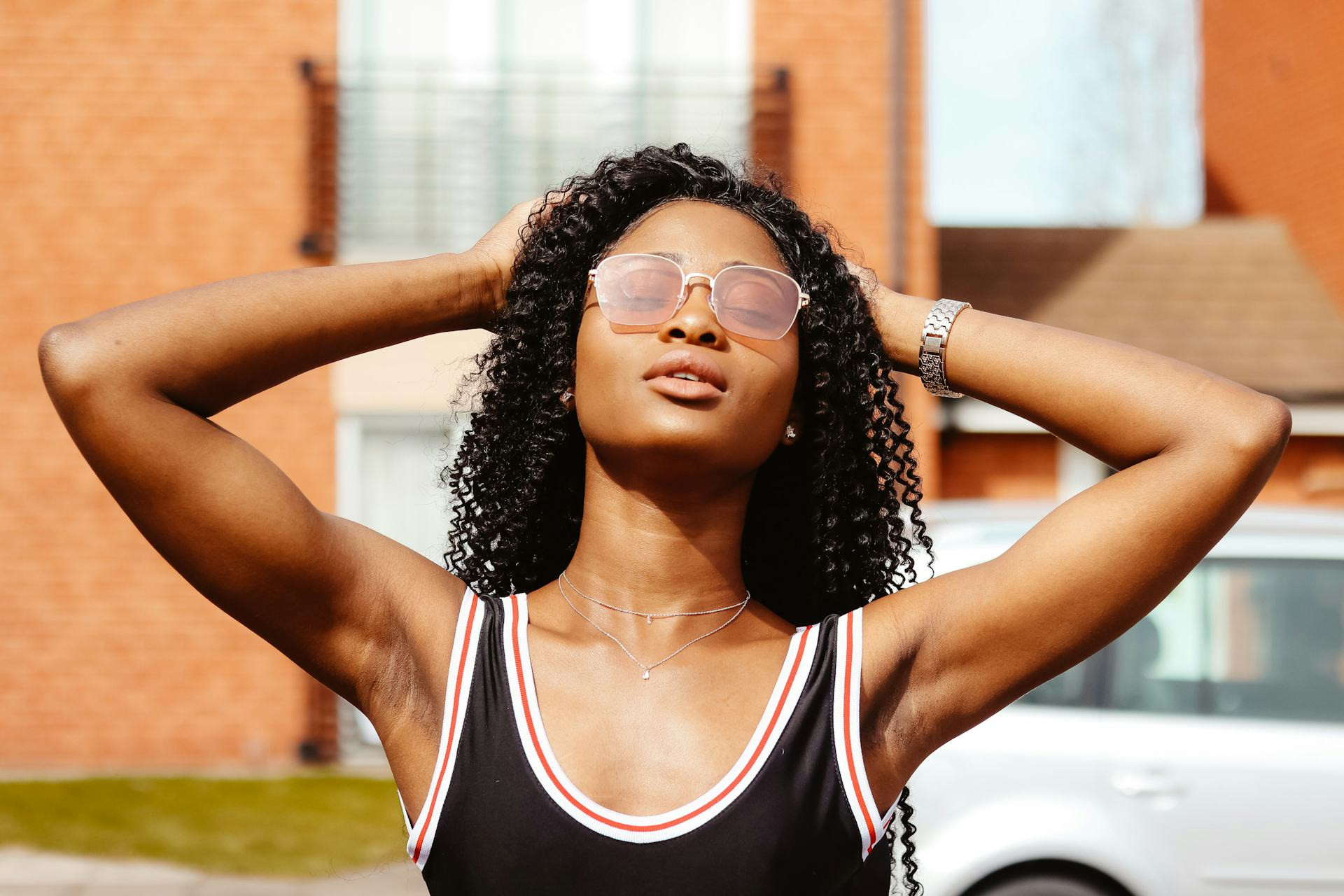
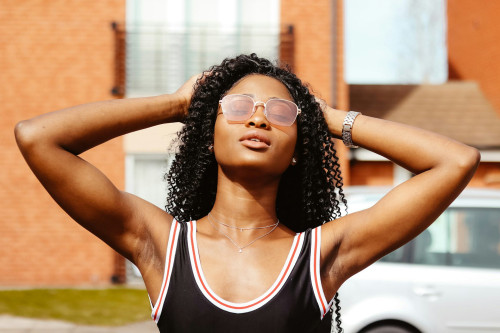
Summer is fashion’s most vibrant time. Sunshine, vacations, and outdoor life invite bolder choices. Bright coral, turquoise, lemon yellow, and electric blue often take center stage. Prints grow larger and more eye-catching – stripes, tropical motifs, and graphic patterns are perennial favorites.
It’s also the season when many Americans define their personal style. Music festivals, beach trips, and backyard gatherings offer opportunities to experiment. Clothing becomes a celebration of joy and freedom, and the creative mix of colors and patterns often inspires the looks that appear in fall collections.
Fall’s Calm – Warm Tones and Classic Patterns
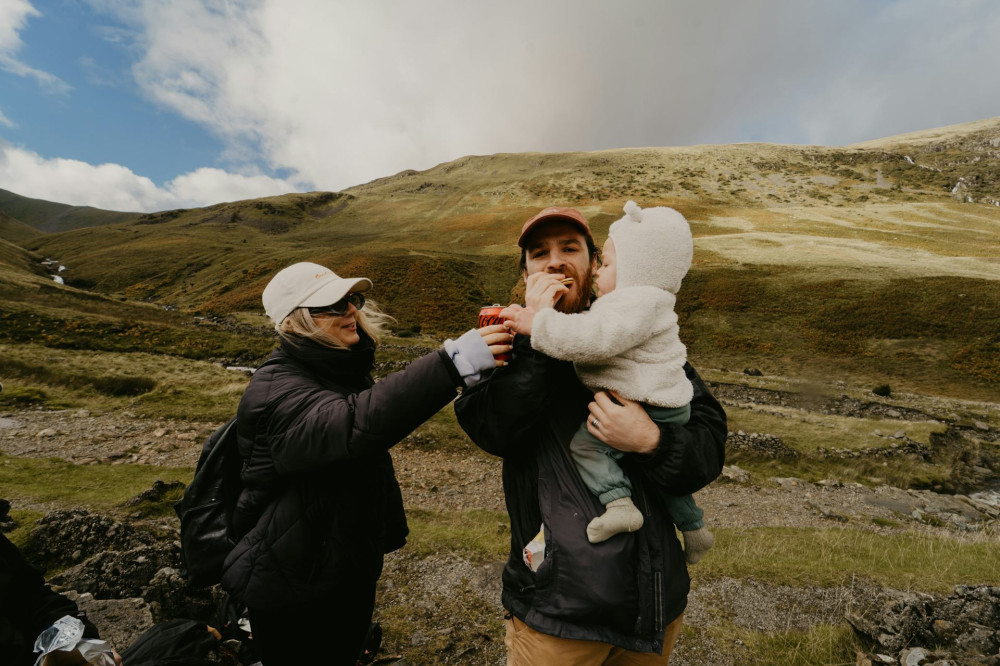
As the leaves change, so does the wardrobe. Fall brings deeper, more grounded hues: burnt orange, olive green, burgundy, and caramel. Patterns become more structured – plaids, tweeds, and paisleys return as symbols of comfort and tradition.
Fall fashion is about layering and texture. Colors work hand in hand with materials like wool, corduroy, and knits, enhancing the warmth and tactile quality of the season. It’s a time when many seek balance between timeless style and modern flair.
Winter’s Elegance – Dark Shades and Festive Sparkle
Winter thrives on contrast. On one side, dark tones like black, navy, and forest green create an elegant, composed look. On the other, the holiday season brings shimmer and shine – metallics, sequins, and jewel tones like emerald and sapphire light up the darker months.
In recent years, sustainability has also influenced winter fashion. Many consumers are choosing timeless colors and patterns that can be worn year after year – a thoughtful response to fast fashion and overconsumption.
The Journey of a Trend – From Runway to Real Life
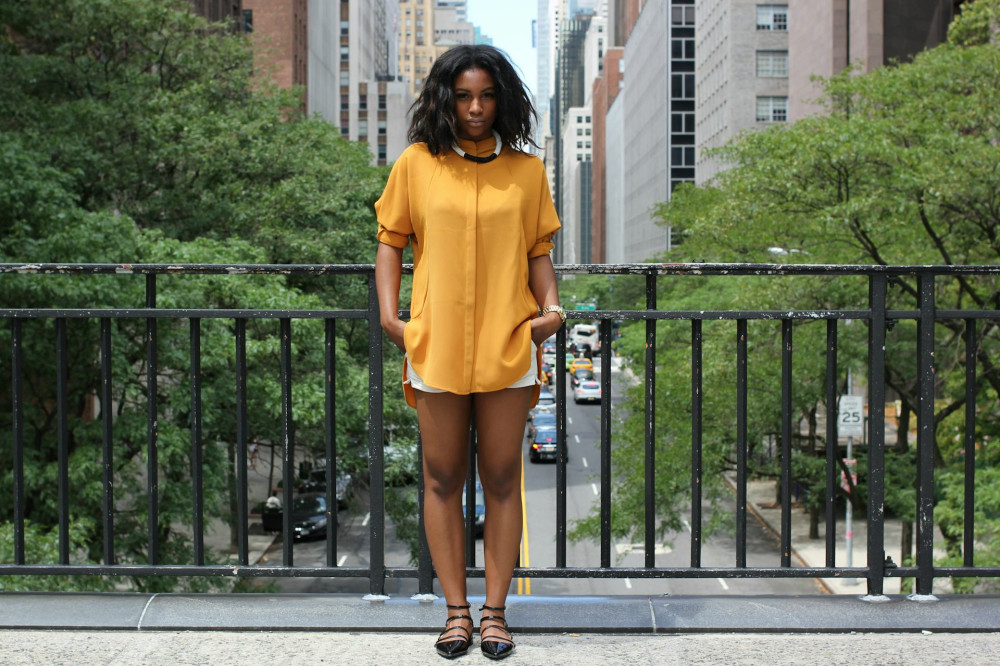
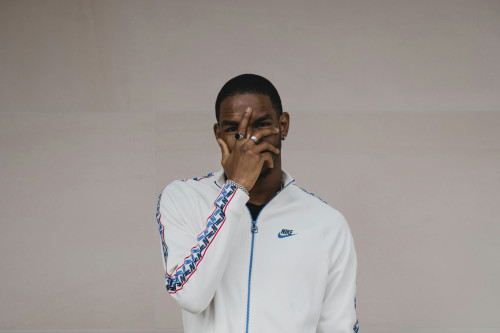
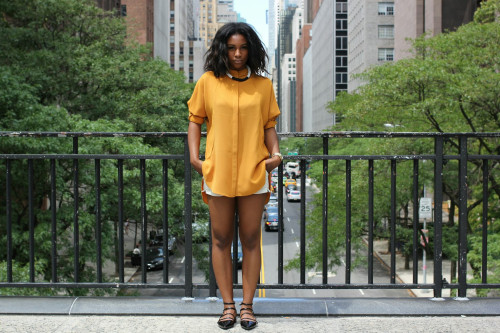
Most color and pattern trends begin in designer collections, but their path to everyday wardrobes is rarely direct. Social media, influencers, and street style now play a major role in shaping how trends are interpreted. A color first seen on a New York runway might reappear in a more casual form – on a hoodie, a handbag, or a pair of sneakers.
Trend forecasters and color institutes like Pantone also help predict which shades will dominate upcoming seasons. Their insights influence everything from textile production to retail displays, creating a shared direction for the fashion industry.
Colors as a Reflection of the Times
Colors and patterns are never random – they mirror the spirit of the moment. In uncertain times, people often gravitate toward calm, neutral tones, while optimistic periods bring bolder, more experimental expressions. Patterns tell stories too: from the psychedelic prints of the 1970s to today’s minimalist geometric designs.
Following fashion trends is therefore not just about aesthetics, but also about culture and identity. Each season becomes a new chapter in the story of how we see ourselves – and how we want to be seen.
Læs også: